


Description
Where does this Aragonite Specimen originate?
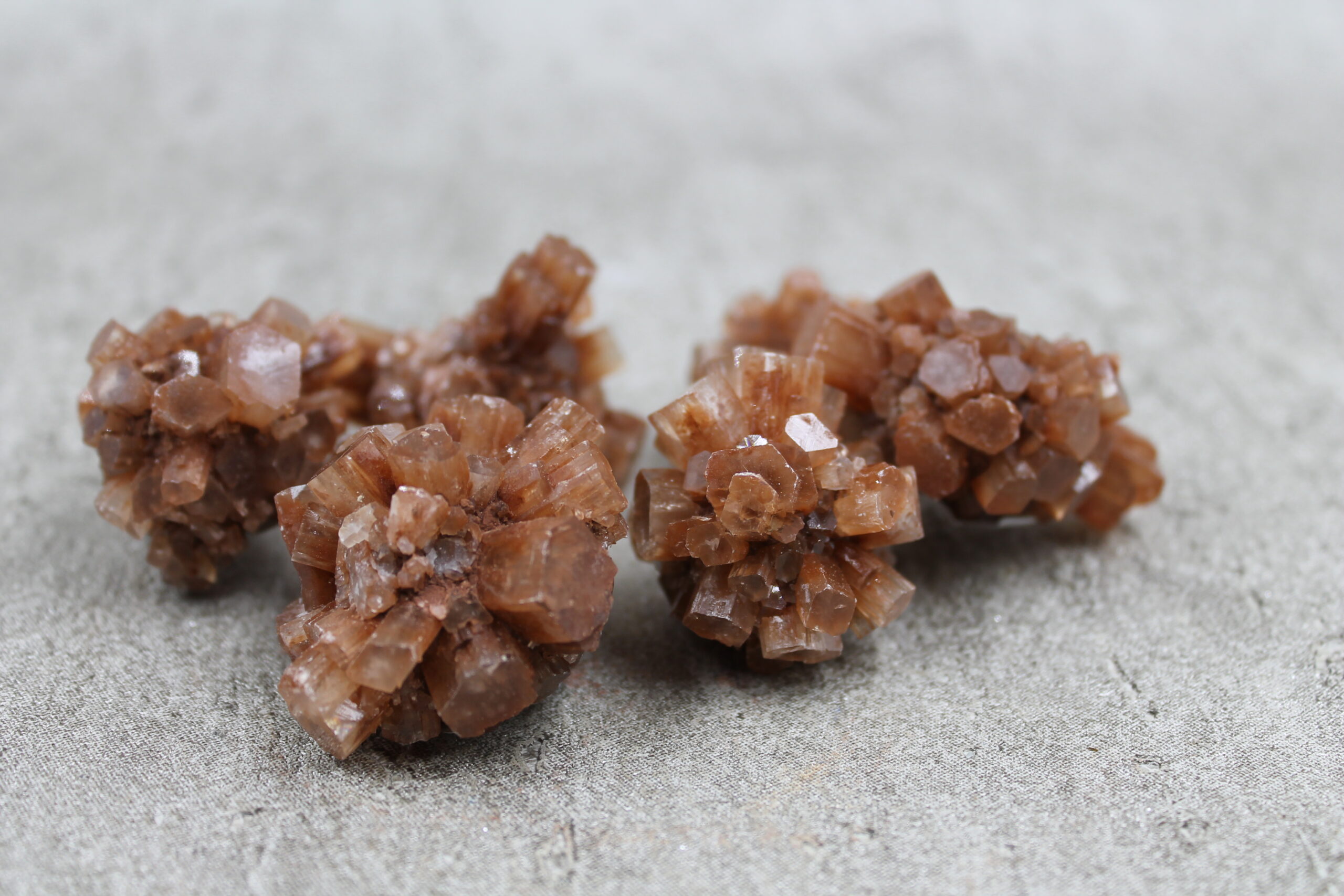
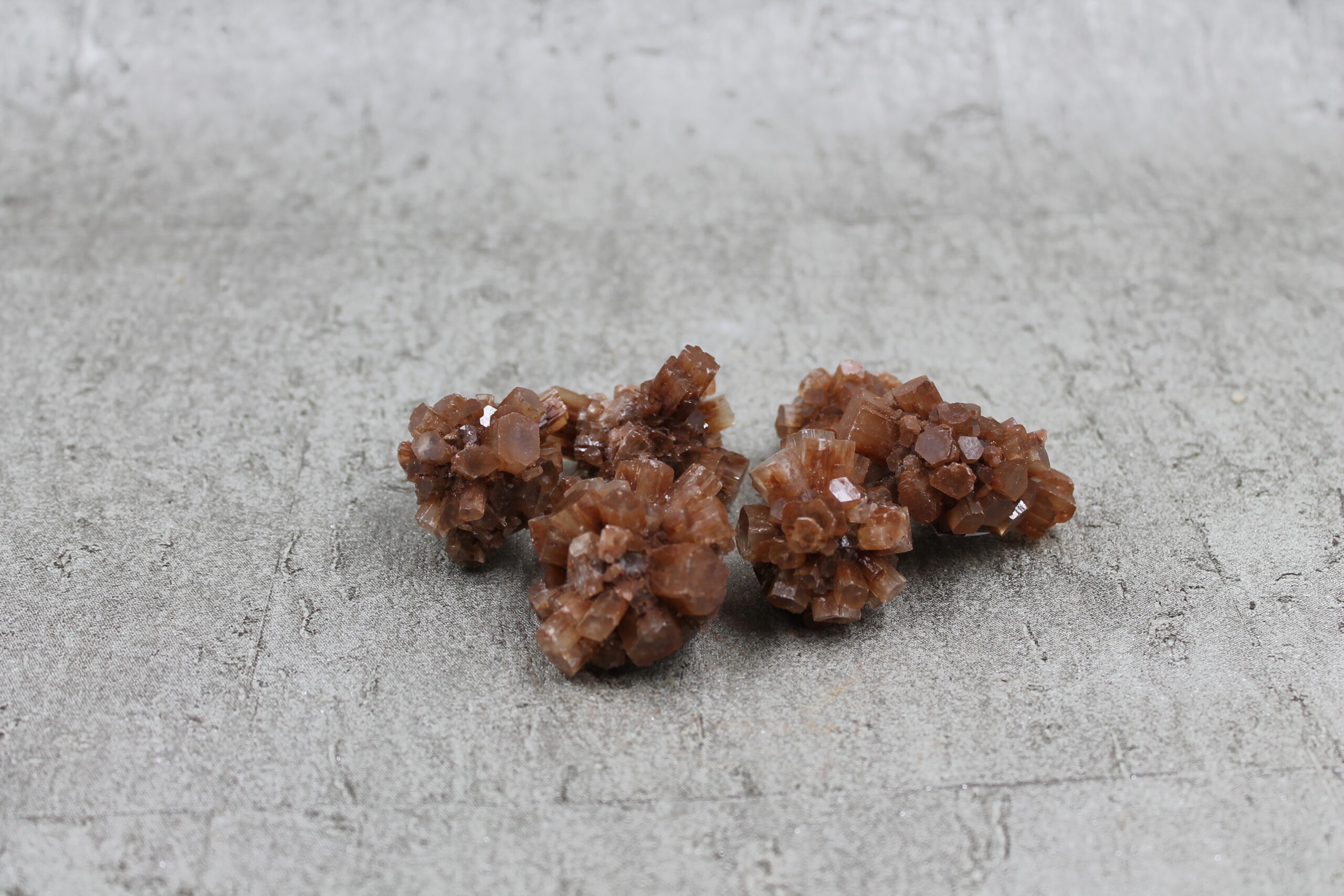
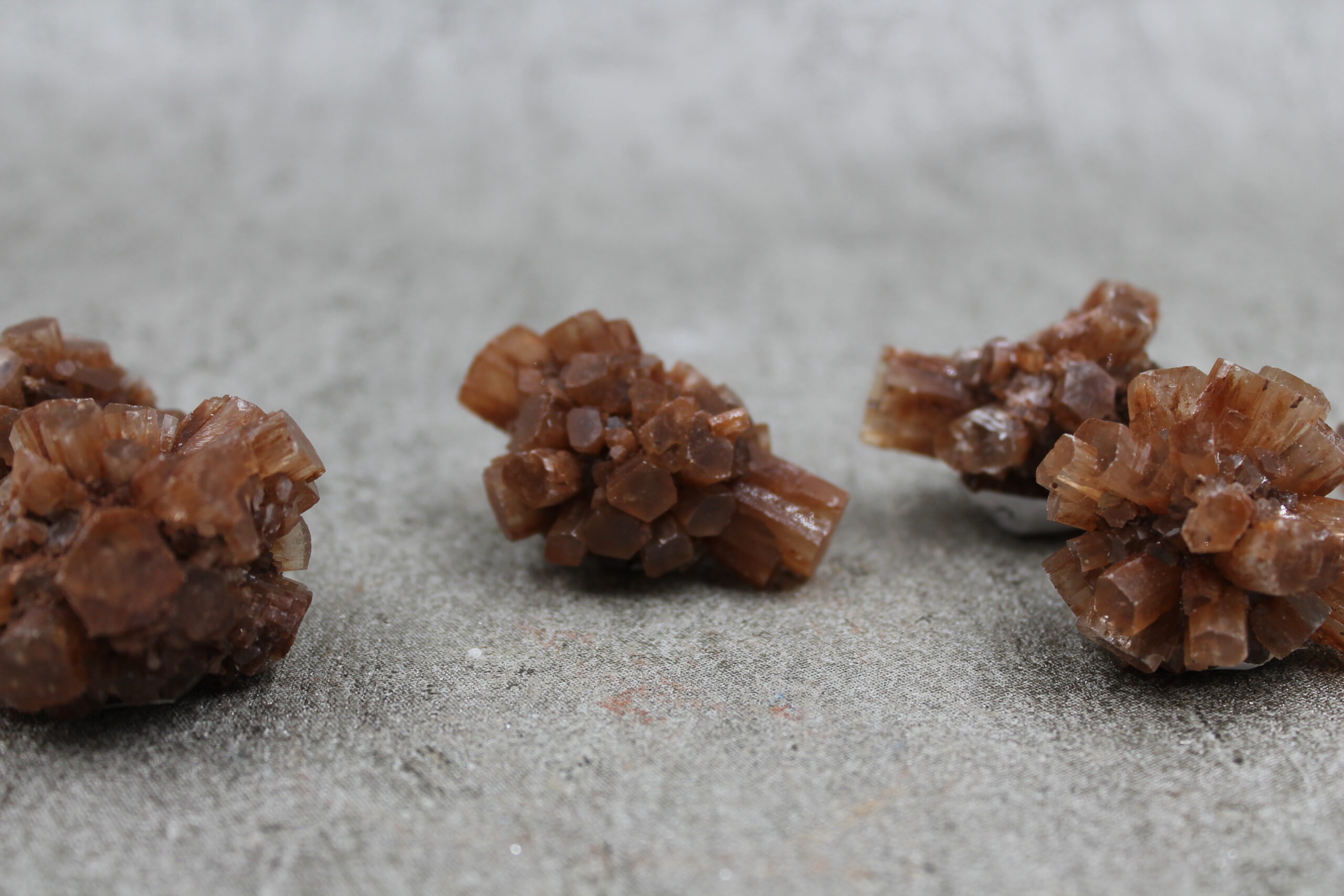
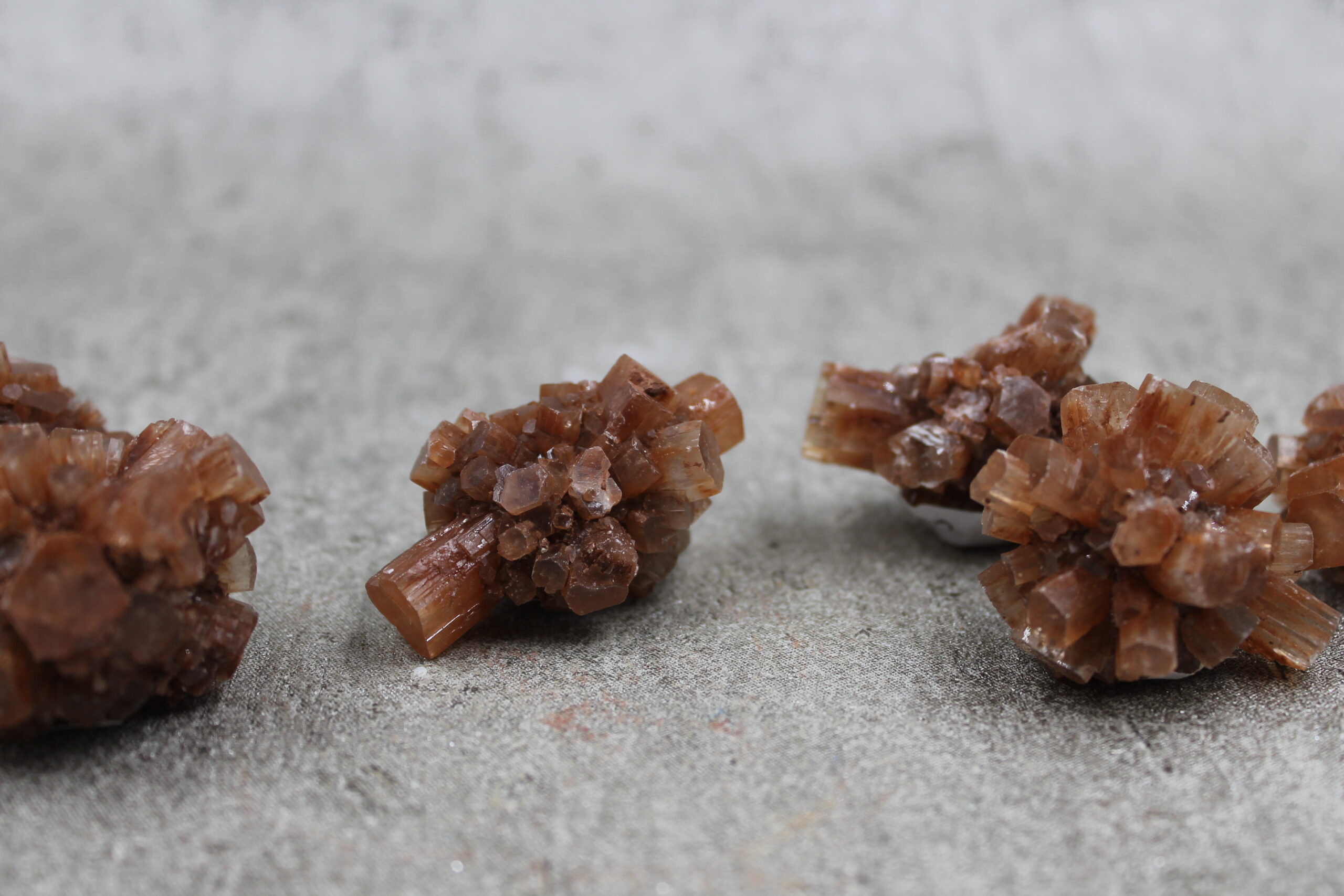
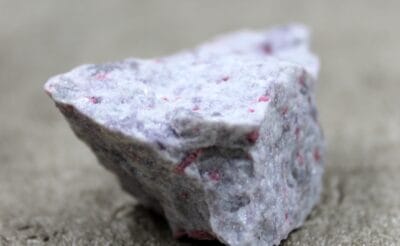
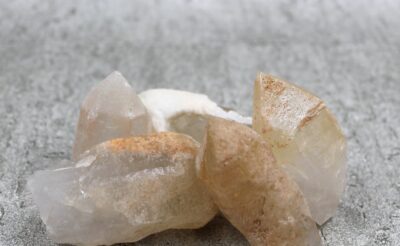
Aragonite is a common mineral distributed globally. Many of the Aragonite ‘Sputnik’ clusters like these originate from Morocco.
What is Aragonite?
Aragonite is a form of Calcium Carbonate which was first identified in 1790 by Abraham Gotleb Werner. He found deposits in Aragon Spain, hence the name given to the mineral. Aragonite is one of only three forms of Calcium Carbonate which form in nature. The other two being Calcite and Vaterite. Calcite can vary in colour from translucent through white, red, brown, green, yellow, violet and most recently discovered a vibrant blue (from China).
Several marine animals are made from Aragonite, for example mollusc shells. It is the minute Aragonite layers in Abalone shells that give it the iridescent luster we love.
What are the myths and legends associated with this Aragonite Specimen?
There is a Spanish legend that the tears of a jilted fiancée fell to the earth and crystallised into a spikey translucent form of Aragonite because the pain of the break-up had been so overwhelming. Aragonite has a tradition as being the keeper of the family hearth ever since.
In medieval times the similarity of some crystal forms to the shape of the Seal of Solomon led to a strong association of Aragonite with Witchcraft and Wizardry. The Seal of Solomon was alleged to give the power to summon genies and converse with animals.
Ancient stone cutters also attributed magical powers to Aragonite as they noticed that under gentle heat the stone transformed into white calcite before the eyes. It was therefore considered to be the ‘ever young stone’.
What are the healing properties of this Aragonite Specimen?
Calcium is a mineral essential to life and a key element of Aragonite so this is one crystal which actually has real and measurable healing effects. It has demonstrated anti-microbial and wound healing properties. Many healing springs and volcanic waters are rich in this mineral and have long traditions of healing a multitude of illnesses and ailments through bathing in the mineral rich waters.
Aragonite is considered to be a nurturing stone and restorative to our overall physical condition. It eases stresses and strains, lethargy and tiredness. An energy booster! It was favoured by Spanish Monks to use in their rosery beads.
What are the spiritual properties of this Aragonite Specimen?
Aragonite is a powerful grounding and stabilising stone. So if you have a predisposition to flights of fancy, distraction or struggle to focus Aragonite is a great stone for you. Working powerfully through the root chakra Aragonite keeps us well-grounded to the earths energy and allows us to fly high spiritually whilst maintaining that secure connection with Mother Earth. Aragonite reminds us to honour our roots, centre our spirit and silence our mind in order to secure the higher understanding we need.
How do I use this Aragonite Specimen?
This specimen is perfect for meditative and psychic work and is a good stone to keep in your meditative space or sleeping area. It is useful kept in a place where you require focus and mental clarity at work or in any aspect of your life.
Which crystals work well with this Aragonite Specimen?
This specimen is a great natural combination stone all by itself. Examples of good combinations can be found in some of these Healing Boxed from our site. The ‘Calming’ Healing Box, ‘Study Aid’ Healing Box, and the ‘Communication’ Healing Box.
How do I care for my Aragonite Specimen?
Aragonite is a relatively soft mineral that shoul dbe handled carefully. It can be cleaned gently with soap and water. Find out about other ways to energetically cleanse your crystals in our blog article cleansing crystals in our blog article.
What Zodiac sign is Aragonite associated with?
Aragonite is a crystal attributed to CAPRICORN.
What Chakras are Aragonite associated with?
Aragonite works well with the ROOT chakra but works with ALL chakras as a balancing and st abilizing stone.
How Large is this Aragonite Specimen?
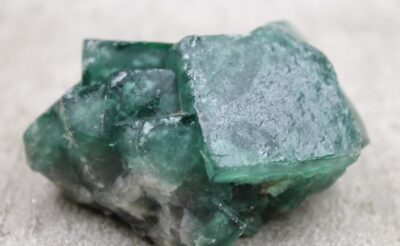
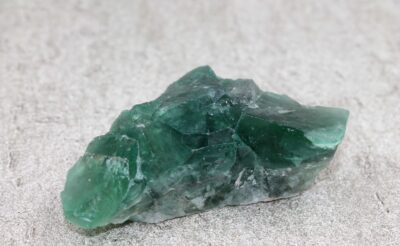
This is a high-grade Optical Calcite and Yellow Fluorite Specimen. The size is approximately 49g in weight and 40MM x 30MM.
Reviews
There are no reviews yet.